

Mastering Environmental Scanning:


Essential Self-Defense Strategies for Staying Alert
In an unpredictable world, self-defense isn't just about physical techniques or carrying tools—it's about prevention. The foundation of effective self-defense lies in situational awareness, the practice of actively scanning your environment to detect potential threats early. This proactive mindset can mean the difference between avoiding danger altogether and being caught off guard. Drawing from military, law enforcement, and security principles, this comprehensive guide explores how to scan your surroundings, why it matters, proven techniques, common mistakes, and real-world applications. Whether you're walking alone at night, navigating crowded urban areas, or simply going about your daily routine, honing this skill empowers you to stay one step ahead.
Why Environmental Scanning is Crucial for Self-Defense
Environmental scanning is the deliberate observation of your surroundings to identify normal patterns (the "baseline") and spot deviations (anomalies) that could signal danger. In self-defense, it's your first line of defense—allowing you to recognize threats before they escalate into confrontations.
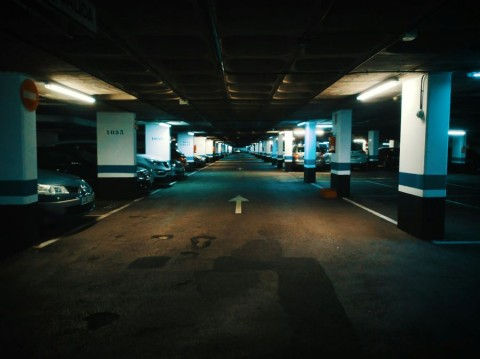
Statistics from the U.S. Department of Justice highlight that many violent crimes, like assaults or muggings, occur in transitional spaces (parking lots, ATMs, doorways) where victims are distracted. By scanning effectively, you create time and distance to react: evade, de-escalate, or prepare to defend. Experts like Gavin de Becker in The Gift of Fear emphasize that intuition often stems from subconscious environmental cues—scanning trains your conscious mind to catch them too.
Without awareness, even the best martial arts training is reactive. Scanning shifts you to proactive mode, reducing vulnerability and boosting confidence.

Understanding Situational Awareness: The Basics
Situational awareness (SA) has three levels, as outlined by security professionals:
Perception: Observing what's around you.
Comprehension: Understanding what it means (e.g., is that person acting suspiciously?).
Projection: Anticipating what might happen next (e.g., could they approach?).
To build SA, adopt Cooper's Color Code, a system developed by Marine Lt. Col. Jeff Cooper for mindset readiness:
White: Unaware and unprepared (e.g., head in phone). Avoid this in public.
Yellow: Relaxed but alert—scanning without paranoia. Ideal everyday state.
Orange: Specific alert—something feels off; prepare mentally.
Red: Threat confirmed—act decisively (fight, flee, or freeze avoidance).
This code trains you to stay in "Yellow" mode, where scanning becomes habitual.

Key Techniques for Scanning Your Environment
Effective scanning is systematic, not random glancing. Here's how to do it:
1. Establish a Baseline
Observe the "normal" for your location: Crowd density, noise levels, typical behaviors. In a park, families picnicking is baseline; a lone person staring intensely is an anomaly.
Note exits, cover (barriers like cars), and choke points (narrow paths).
2. Use the 360-Degree Scan
Divide your environment into zones: Near (0-5 feet), mid (5-20 feet), far (20+ feet).
Scan in a figure-8 or circular pattern: Look left, right, ahead, behind—without turning fully (use peripheral vision or casual head turns).
In motion: Every 30 seconds, glance over your shoulder. In static spots (waiting for bus), pivot subtly.
3. Spot Anomalies and Pre-Attack Indicators
Body Language: Hunched posture, fidgeting, avoiding eye contact, or "target glancing" (repeatedly looking at you).
Proxemics: Someone invading your personal space (closer than 4-6 feet without reason).
Environmental Cues: Abandoned vehicles, poor lighting, groups loitering near exits.
Behavioral Red Flags: Forced conversation, unsolicited help, or mirroring your movements.

4. Incorporate the OODA Loop
Developed by fighter pilot John Boyd: Observe (scan), Orient (analyze), Decide (plan response), Act (execute).
Cycle through quickly: Spot anomaly → Assess threat → Decide to cross street → Do it.
5. Tools to Enhance Scanning
Mirrors/reflections: Use windows or car mirrors for rear views.
Apps: Crime mapping (e.g., Citizen) for high-risk areas.
Training Aids: Practice with apps simulating threats or join self-defense classes focusing on awareness.
Practicing Environmental Scanning in Daily Life
Start small to build habits:
Daily Drills: While walking, count blue cars or note license plates—trains observation.
Scenario Training: In safe settings, role-play spotting "threats" (friends acting suspiciously).
Mindfulness Integration: Combine with breathing exercises to stay calm in "Yellow" mode.
Group Awareness: Teach family/friends; scan as a team in outings.
Aim for 10-15 minutes daily. Over time, it becomes second nature, like checking mirrors while driving.

Common Mistakes and How to Avoid Them
Tunnel Vision: Fixating on one thing (e.g., phone). Solution: Set "no-phone zones" in transitions.
Over-Paranoia: Mistaking normal for threats, causing stress. Balance with rational assessment.
Ignoring Intuition: Dismissing gut feelings. Trust and act on them—better safe than sorry.
Complacency in Familiar Places: Crime happens anywhere. Always scan.
Real-Life Examples of Scanning in Action
Parking Lot Incident: A woman notices a man lingering near her car (anomaly). She scans for exits, returns to the store, and calls security—avoiding a potential abduction.
Urban Assault Prevention: A jogger spots two men mirroring his path. He crosses the street (act on OODA) and enters a busy café, deterring pursuit.
Historical Case: Ted Bundy's victims often ignored unease; survivors like Carol DaRonch acted on scanning cues, escaping his car.
These stories underscore: Awareness prevents 90% of threats.
Conclusion: Make Scanning Your Superpower
Environmental scanning transforms you from potential victim to empowered individual. By staying alert through techniques like Cooper's Code and the OODA Loop, you gain control in uncertain situations. Remember, self-defense starts in the mind—practice daily, trust your instincts, and stay safe. For deeper dives, explore resources like de Becker's book or local self-defense workshops. Your awareness is your best weapon—wield it wisely.


Comments