

The Power of Body Language as a Self-Defense Deterrent:


Project Strength, Avoid Becoming a Target
In self-defense, the best fight is the one you never have to engage in. While physical skills and tools are essential, your body language serves as one of the most effective non-violent deterrents. Criminals and predators often select victims based on perceived vulnerability—slouched posture, averted eyes, hesitant movements—rather than random chance. By consciously projecting confidence and awareness, you can significantly reduce your risk of being targeted. This guide dives deep into how body language works as a deterrent, backed by insights from experts, real-world examples, and practical tips to implement today.
Why Body Language Matters: How Predators Choose Victims
Studies and interviews with convicted criminals reveal that assailants frequently "interview" potential targets through subtle tests, scanning for easy marks. Weak body language signals submission and low awareness, making you appear as a "soft target."
Key indicators predators look for (and avoid):
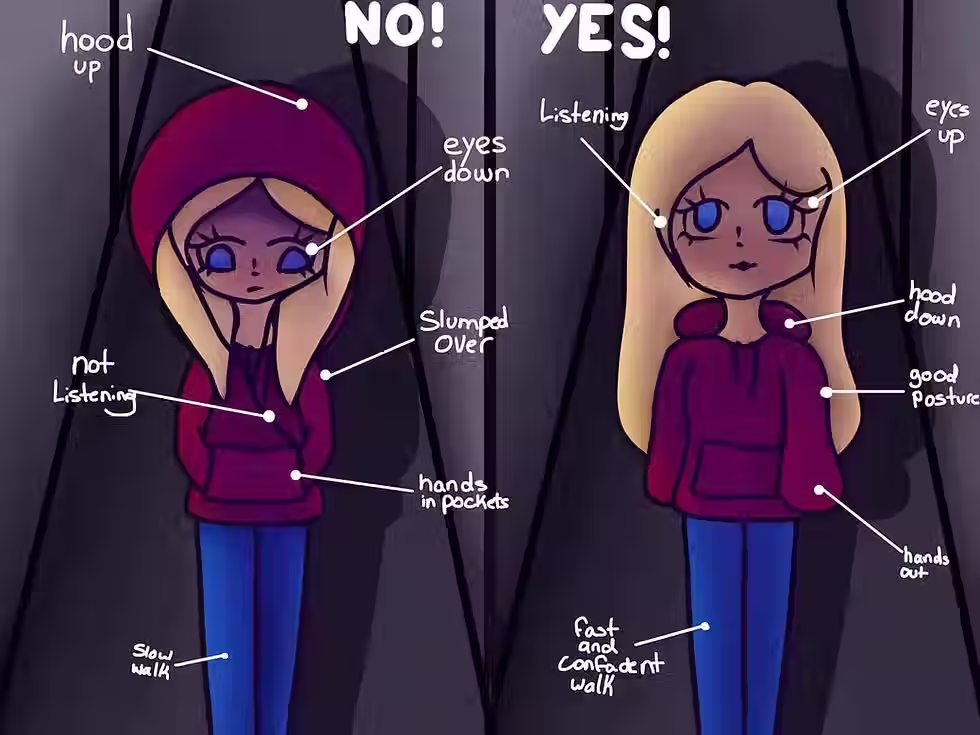
Slouched shoulders, head down, shuffling gait.
Fidgeting, avoiding eye contact, or appearing distracted (e.g., glued to phone).
Hesitant or overly accommodating responses to approaches.
Conversely, confident body language communicates: "I'm aware, capable, and not worth the risk."
Research from security experts shows that assertive posture alone can deter attacks in many cases, as predators seek low-resistance opportunities.
Core Elements of Deterrent Body Language
Master these foundational cues to project strength:
1. Posture: Stand Tall and Balanced
Keep shoulders back, chest open, head up—chin parallel to the ground.
Weight evenly distributed, feet shoulder-width apart for stability.
Avoid crossing arms defensively (unless setting boundaries); keep hands visible but ready.
This "power pose" not only deters but boosts your own confidence via hormonal changes (increased testosterone, decreased cortisol).

2. Eye Contact: Assertive, Not Aggressive
Make brief, direct eye contact (2-3 seconds) to acknowledge presence without staring.
Scan surroundings but return gaze confidently if approached.
Strong eye contact signals awareness and self-assurance—predators dislike being "seen."
Avoid prolonged staring (can escalate) or complete avoidance (signals fear).

3. Movement: Purposeful and Aware
Walk with deliberate strides—heel-to-toe, arms swinging naturally.
Head on a swivel: Scan environment without paranoia.
Maintain personal space (at least arm's length from strangers).
Confident gait reduces targeting risk dramatically.

4. Hands and Gestures: Visible and Controlled
Keep hands out of pockets—ready and non-threatening.
Use open palms for de-escalation ("fence" position: hands up at chest level to set boundaries verbally/physically).
This signals "I'm prepared" without provocation.
Advanced Applications: Verbal + Non-Verbal Integration
Body language amplifies when paired with voice:
Firm, loud commands: "Back off!" or "No!" with matching posture.
De-escalation: Calm tone, open hands, sideways stance to reduce threat perception.
In interviews, predators often abort when victims respond assertively.
Practice Tips to Build Confident Body Language
Mirror Drills — Practice posture and expressions daily.
Role-Playing — Simulate approaches with a partner.
Video Feedback — Record your walk/posture for self-review.
Mindset Shift — Visualize yourself as capable—fake it till it becomes natural.
Training Classes — Join reality-based self-defense focusing on awareness and assertion.
Consistency turns these into habits.
Real-World Impact
Survivors often credit confident body language for deterring attacks—e.g., maintaining eye contact and firm voice causing assailants to disengage. In contrast, victims frequently report feeling "small" or avoiding gaze pre-incident.
Final Thoughts: Your Posture is Your Armor
Body language isn't about appearing tough—it's about authentically projecting awareness and self-respect. Predators avoid risk; make yourself a hard target through confident posture, eye contact, and purposeful movement. Combined with situational awareness, this silent deterrent prevents most confrontations.
Practice daily, stay aware, and carry yourself like someone who values their safety—because you do. Stay safe out there.



Comments