

Urban Preparedness:


The Top 5 Places You Are Most Vulnerable in Daily Life
Living in a city offers convenience, culture, and opportunity—but it also exposes you to unique risks. Urban environments concentrate people, resources, and vulnerabilities, making certain everyday spots prime targets for crime, accidents, or emergencies. Violent crimes like robberies and assaults often occur in transitional spaces where victims are distracted or isolated.
Based on crime statistics and expert insights, here are the top 5 most vulnerable places in urban daily life, why they're dangerous, and practical preparedness strategies to stay safe.
1. Parking Lots and Garages
Parking lots top the list for urban vulnerabilities. These large, often poorly lit areas provide cover for assailants—vehicles hide approaches, and distractions (loading groceries, phone use) abound. Many robberies, carjackings, and assaults happen here, especially at night or in isolated sections.
Why vulnerable? Limited visibility, multiple entry/exit points, and transitional focus make them ideal ambush spots.
Preparedness tips:
Park in well-lit, high-traffic areas near entrances.
Scan surroundings before exiting your vehicle—look under and around cars.
Have keys ready; walk purposefully with head up.
Avoid ground levels in garages; use elevators over stairs if possible.
2. ATMs and Bank Areas
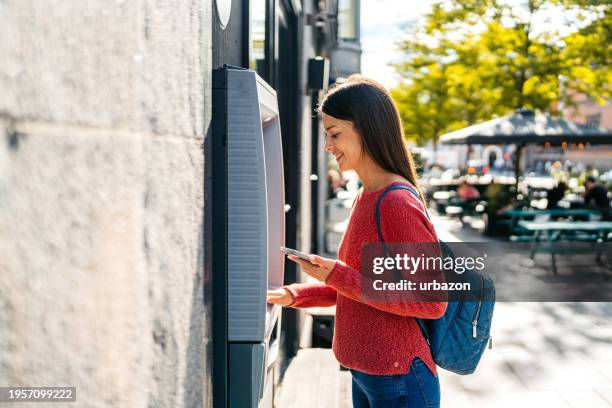
ATMs attract criminals targeting cash withdrawals. Shoulder-surfing for PINs, distractions, or direct robberies are common, especially at standalone or street-side machines.
Why vulnerable? You're focused on the transaction, often handling cash, and isolated at odd hours.
Preparedness tips:
Use indoor ATMs in banks or stores when possible.
Shield the keypad; be aware of anyone lingering nearby.
Withdraw during daylight/business hours.
Drive-thru ATMs offer vehicle protection.

3. Public Transportation (Buses, Subways, Trains)
Crowded or empty public transit creates dual risks: pickpocketing in crowds or isolation on late-night rides. Assaults, harassment, and robberies spike here due to confined spaces and limited escape options.
Why vulnerable? Anonymity in crowds, predictable schedules, and enclosed environments trap victims.
Preparedness tips:
Stay in well-populated cars; sit near the driver/operator.
Keep bags close and zipped; avoid displaying valuables.
Position near exits; trust instincts—if something feels off, move cars or exit.
Travel with others when possible, especially at night.

4. Walking on Streets/Sidewalks (Especially at Dusk/Night)
Streets and alleys rank high for muggings and assaults—distractions like phones reduce awareness, and poor lighting aids concealment.
Why vulnerable? Open exposure, variable foot traffic, and transitional movement make targeting easy.
Preparedness tips:
Walk against traffic to see approaching vehicles.
Stay on well-lit, populated sides; cross if someone suspicious follows.
Hands free (out of pockets); vary routes to avoid predictability.
Use reflective gear at night; share location with trusted contacts via apps.

5. Entrances to Homes/Apartment Buildings
Doorways, lobbies, and elevators are choke points—assailants may follow you in (tailgating) or wait inside.
Why vulnerable? False sense of security near home; fumbling keys distracts.
Preparedness tips:
Have keys ready before approaching; scan lobby/elevator first.
Don't hold doors for strangers if alone—politely say you're expecting someone.
Install peepholes/video doorbells; use well-lit entries.
In elevators, stand near controls; exit if uncomfortable.
General Urban Preparedness Principles
Across these spots, core strategies apply:
Situational Awareness — Stay in "Condition Yellow": relaxed but alert. Avoid headphones/phones in transitions.
Body Language — Walk confidently, head up, purposeful stride—deters predators seeking easy targets.
Tools — Carry pepper spray, personal alarm, or flashlight; know local laws.
Planning — Vary routines, share itineraries, learn basic self-defense.
Community — Know high-crime areas via apps; build neighbor networks.
Urban life doesn't have to feel unsafe—with awareness and preparation, you turn vulnerabilities into strengths. Stay vigilant, trust your instincts, and prioritize prevention. Your safety starts with recognizing risks in everyday places.


Comments